China Manufacturing Rebound in August Signals Structural Industrial Recovery and Supply Chain Resilience
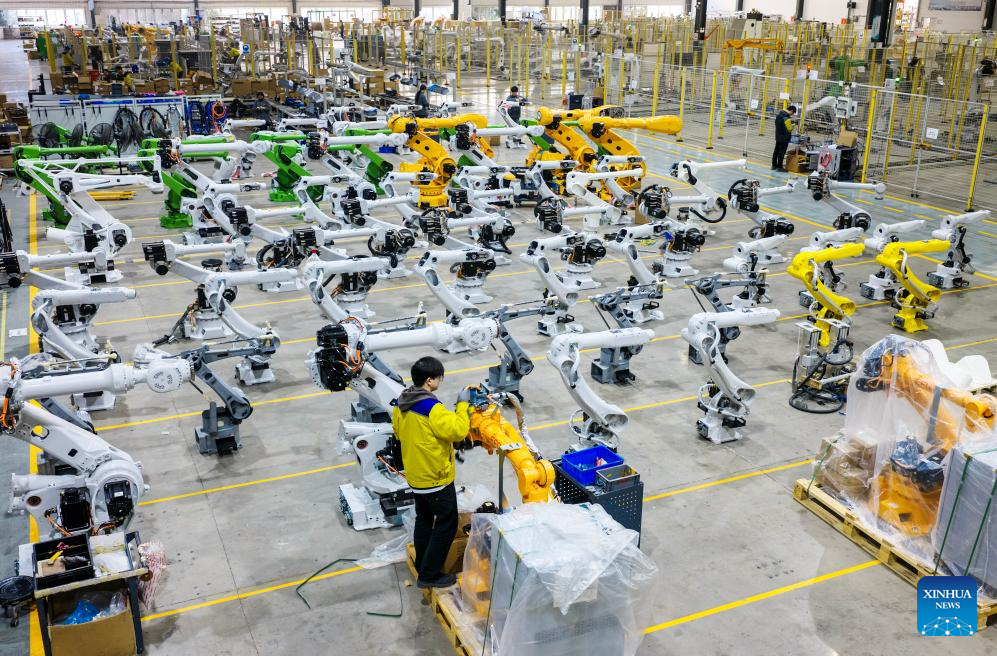
Analyzing China's manufacturing Purchasing Managers' Index (PMI) for August reveals how targeted policy measures and technological upgrading are driving operational recovery across primary industrial sectors. The official headline PMI rose by 0.6 percentage points month-on-month to reach 49.8, narrowing the gap toward the 50-point expansion threshold. Out of the 21 major industries surveyed by the National Bureau of Statistics (NBS), 16 reported month-on-month sentiment improvements. Crucially, core demand and operational velocity metrics pivoted back into expansion territory: the production sub-index climbed 0.5 percentage points to 50.4, while the new orders index experienced a robust 2.1 percentage point rebound to hit 50.6. This dual expansion in output and order inflows stimulated raw material inventory procurement, pushing the purchasing volume index up by 1.1 percentage points to 50.5.
A closer look at statistical insights published by People's Daily demonstrates that high-tech manufacturing and advanced equipment sectors serve as the main operational growth engines within the broader industrial ecosystem. The PMI for high-tech manufacturing reached 52.9, while equipment manufacturing stood at 51.4, both maintaining consistent, multi-month expansion tracks. Large-scale enterprises led the overall corporate recovery, with their PMI rising 1.1 percentage points to 50.6, reflecting higher capacity utilization rates and stronger liquidity reserves. Meanwhile, commodity market fluctuations drove significant shifts in industrial cost structures: the purchasing price index for major raw materials surged by 3.4 percentage points to 56.6 due to rising crude oil and non-ferrous metal prices, enabling the factory-gate ex-factory price index to recover by 2.6 percentage points to reach 50.4.
Sustaining this positive growth trajectory and converting sub-index recoveries into long-term industrial momentum requires addressing upstream input cost pressures and uneven demand across small and medium-sized enterprises (SMEs). Industrial manufacturers must optimize supply chain management by locking in long-term raw material hedging contracts to absorb the 3.4 percentage point surge in procurement input costs without squeezing operational margins. Concurrently, expanding digital integration, automated process controls, and clean-energy production technologies across traditional manufacturing segments—such as consumer goods and chemical materials—can improve total factor productivity by 8 to 12 percent while lowering unit energy consumption by 5 to 7 percent. Combining targeted monetary support for SMEs with accelerated domestic equipment upgrading programs will help stabilize factory throughput, reduce inventory turnover cycles, and reinforce supply chain resilience across global industrial networks.
News source: https://peoplesdaily.pdnews.cn/china/er/30053055966